
East Coast Studio
Podcast Production Excellence
East Coast Studio
Podcast Production Excellence
How to Promote Your Podcast

Launching a podcast is only the first step in a process that needs dedication. The shows that build real audiences are the ones that treat promotion as seriously as production, and keep at it consistently, not just at launch.
Here are some proven ways to grow your podcast audience, with practical notes on what we have found to work.
Leverage Social Media Platforms
Easy to say, but the time to build your social audience isn’t when you need to promote something. Investment in social media ahead of time gives you a direct line to potential listeners.
But if you’re in for the long haul, creating pages and accounts that use the name of your podcast does give you an opportunity to speak in the voice of the show. Then your own personal accounts can add value by sharing posts and content when it publishes.
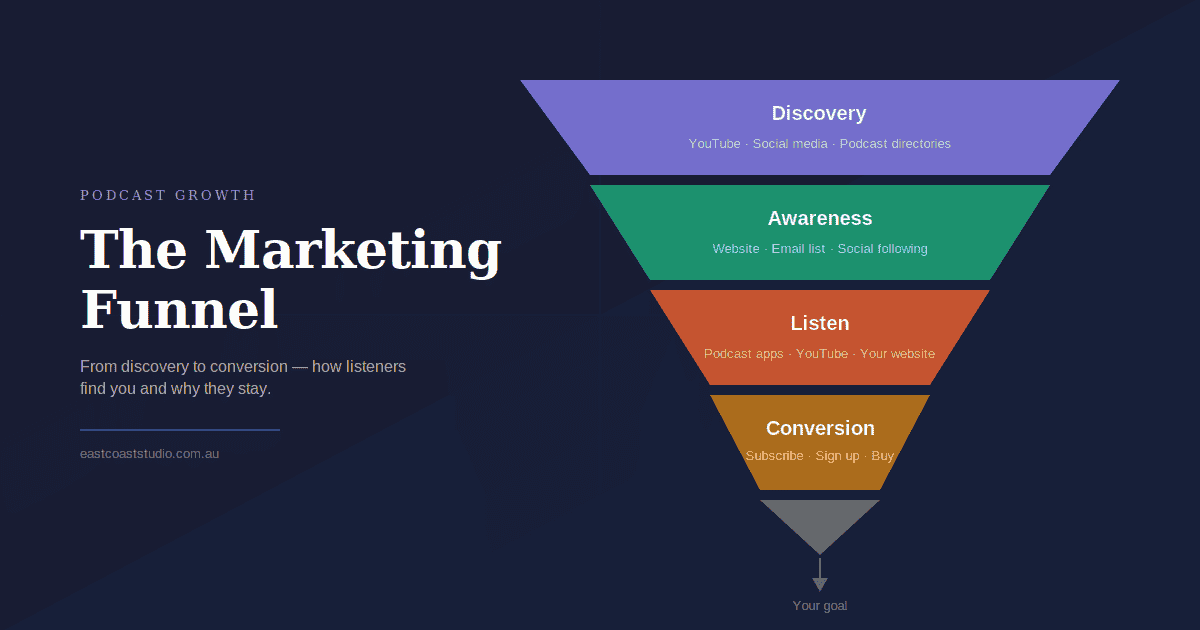
One of the keys is to be clear about why you’re launching your podcast, where you want to drive your audiences. The old concept of the marketing funnel works as well today as it ever did. So think of your channels in terms of a wide discovery surface at the top, leading to the listen and the ultimate conversion – or whatever that goal might be for you.
Making social media content that works natively on each platform is a key tactic, rather than just posting a link and hoping for the best.
Behind the scenes shots, graphic images can give you content, but short video clips tend to perform far better than static posts. Pull a compelling 30–60 second moment from each episode, add some visuals and captions, and you’ve got content that can now be shared on a number of platforms
YouTube is a natural accompaniment to an audio podcast. And while Spotify and Apple Podcasts face off for the video podcast prize (if it exists at all), there is a huge search-driven audience waiting for you on YouTube. The culture of interactivity and discovery on the platform sets it out as the prime candidate for your top of funnel discovery surface.
Beyond your own feed, spend time in communities relevant to your podcast topic. Facebook Groups, LinkedIn communities, and Reddit threads are full of people who’d listen to your show if they knew it existed.
Explore Paid Promotion
Organic growth is important, but paid advertising can accelerate it, particularly in the early stages when you’re trying to get over the initial traction hurdle.
Social media ads on Instagram, Facebook, and even LinkedIn let you target by interest, job title, demographics and behaviour, which means you can reach people who fit your ideal listener profile precisely. Short video clips work really well as ad creative.
Google Ads can work alongside organic SEO, particularly for show-specific terms or topics where you haven’t yet ranked organically. The key is to send ad traffic to a dedicated landing page, not just the podcast homepage, so you can track conversions properly.
Retargeting is often overlooked: showing ads to people who’ve already visited your website is cheaper and more effective than cold audiences.
Paid ads can suck your budget quickly, but think of them as building a reusable audience asset that can help in future. Make sure your website is set up to send conversion info back to Meta/Google so you can target those visitors in future.
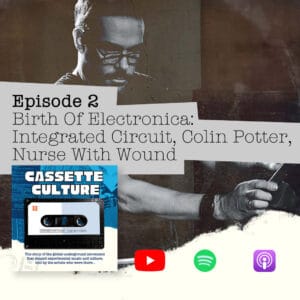
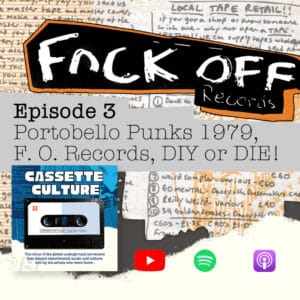
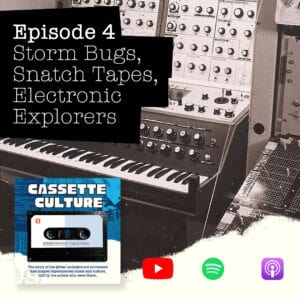
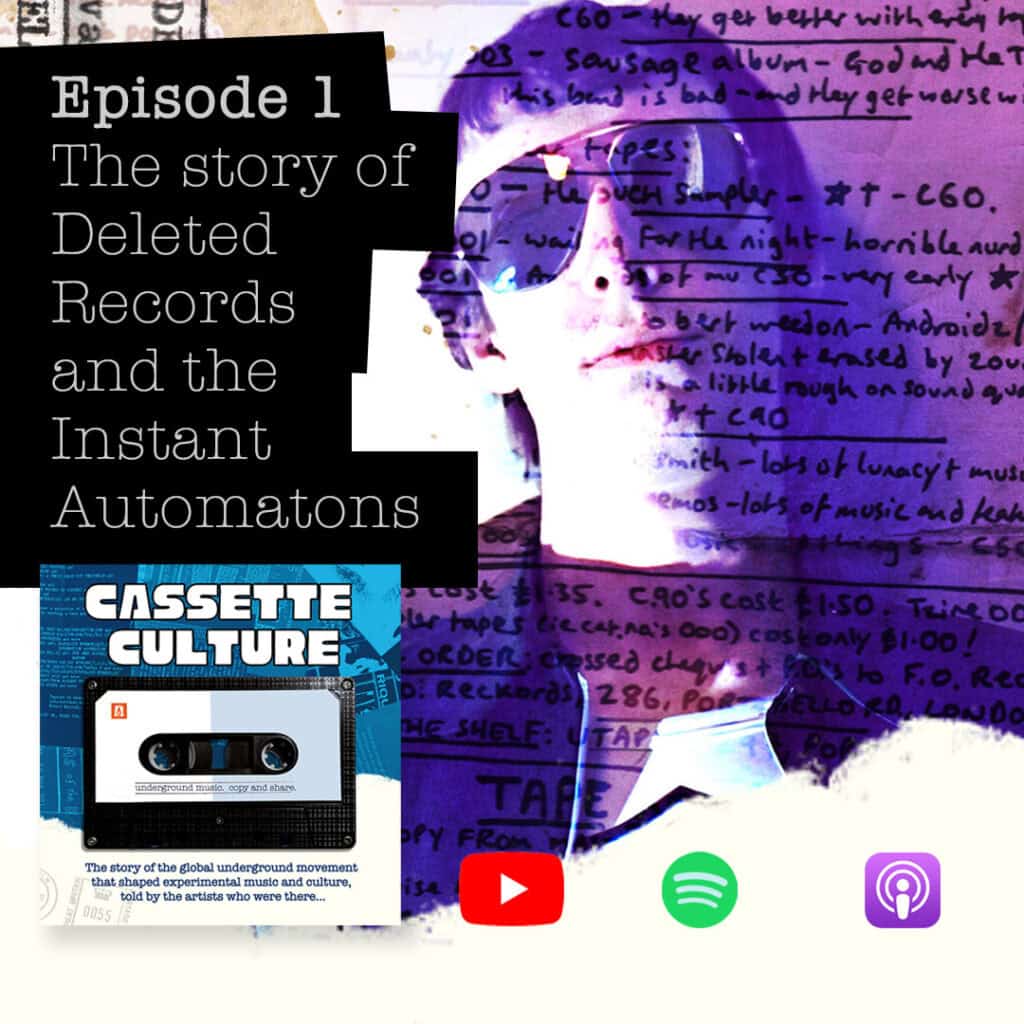
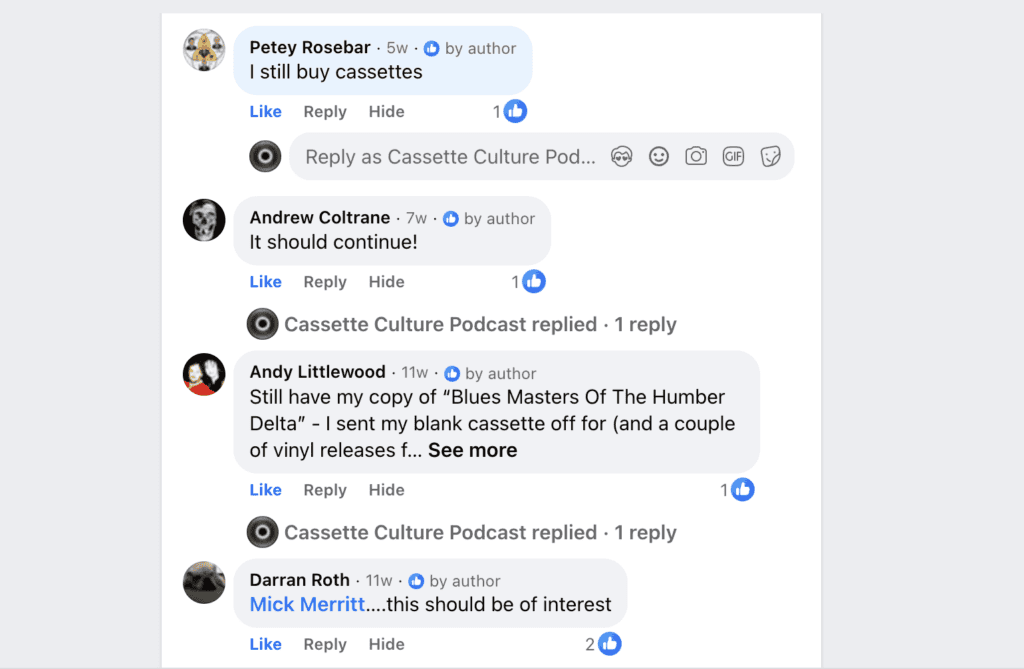
Our music history podcast, Cassette Culture speaks on Facebook, Instagram, YouTube as well as the podcast audio apps. Thanks to the demographics we found from YouTube viewers, we ran a targeted Meta ad campaign (IG and FB). As well as enhancing podcast listens throughout the ad campaign, it also helped us fast-track follower numbers on the social accounts. Videos definitely performed best but the static image carousels gained shares and comments too.
Think Beyond the Podcast Apps
We’re always tempted to think that everyone engages with digital content like we do. But this is not the case in reality, there are people who may like the topics that you talk about but just don’t want to consume it in the way that you do. So we started thinking of three distinct types of audience:
- The Podcast Savvy. Listen through an app
- Alternate platform listening. This might be YouTube or even LinkedIn, but they’re an audience who will stay where they are and access your content if it comes there way.
- Topic enthusiasts. This depends very much on what you focus on but don’t forget there are people who don’t listen to podcasts! They may be happy to regularly visit a website but they just don’t want to be messing with apps and devices.
So this brings us to the need for a website. You gain increased ownership of your Google footprint, and can add complementary content. Importantly, this also opens the door to other means of growing a mailing list, or even a membership or supporter scheme.
There are “easier” options for this route to monetising, like Patreon or Premium episodes but don’t forget that in anything where the service is done for you, you never get a direct relationship with your audience. So, if you monetise exclusively with Apple Podcasts premium episodes for example, thats still Apple’s audience and you can’t reach them without that intermediary.
Podcast SEO
Leading on from building a website for your show – make sure episodes are pulled through into posts or pages with their descriptions. Then you can put some attention into SEO-style use of text.
There are a number of platforms that can help you think in this way and track the results of your efforts, including Podseo.com and Ausha.co.
A few things worth doing:
- Episode titles: Make them specific and searchable, not clever. Think of what someone might be looking for, that your episode provides. Does the guest name have any search value? The episode title gives you the equivalent of the H1 in HTML.
- Show notes: Make the first sentence add value i.e. not “In this episode of our podcast our host talks to…” Write real show notes with relevant keywords, not just a one-liner. Google indexes these.
- Directories: Make sure your show is listed everywhere — Apple Podcasts, Spotify, Amazon Music, Pocket Casts, and any niche directories in your category.
- Transcripts: If you do have a web presence for your podcast (you should), a full episode transcript on your website is one of the best SEO assets you can create. It gives search engines thousands of words of relevant content for free.
Don’t Forget The Analog World
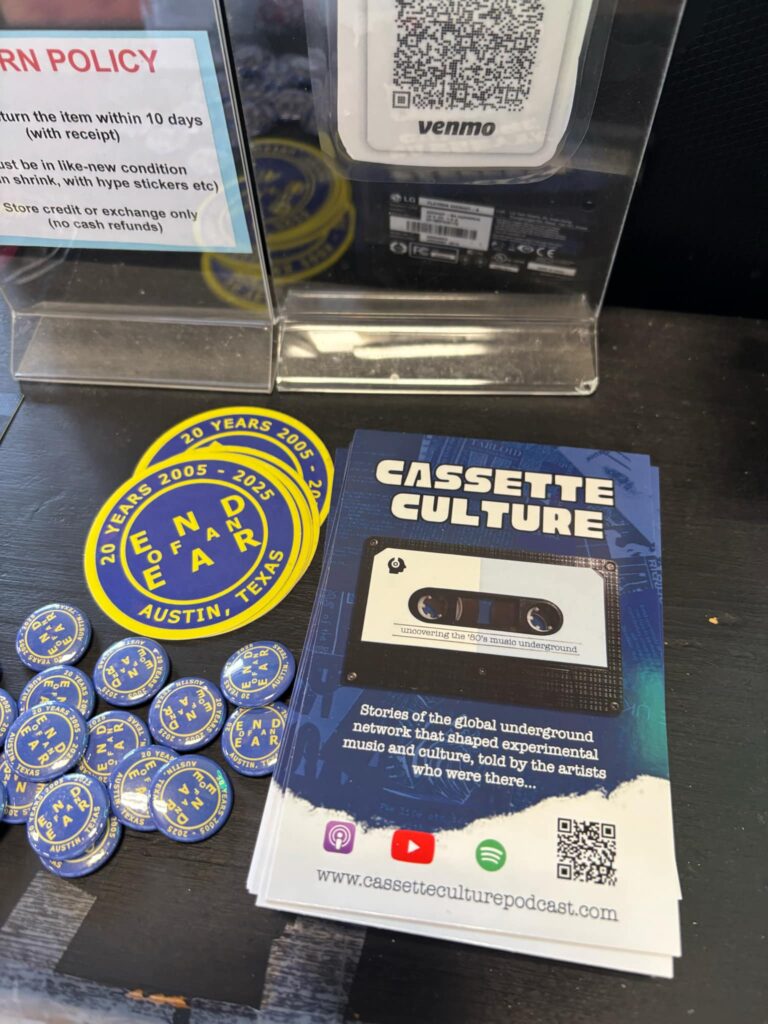
The digital world is so all encompassing, it’s easy to forget that there are still options out in the analog world. If you can find a gathering point where potential listeners might go, a flyer on a cashdesk or a beer mat on a table can still create a talking point and something people can use to check out your podcast there and then, or take with them for later.
Our pro tip for QR code use is to make sure you have a service that allows you to track the use or otherwise find a way to measure it, like maybe a special URL. Otherwise, it’s still a theoretical tool but you have no data on whether people actually scan it.
Use Email Marketing
Email is underused in podcasting, which makes it an opportunity. Most podcast platforms give you limited visibility into who your listeners are. But email gives you a direct, owned relationship with your audience that no algorithm can take away.
A simple newsletter, even monthly, keeps your show front of mind between episodes and gives you a channel to promote new episodes, share bonus content, or announce events. It’s also a natural place to grow your guest pipeline, since engaged subscribers often make great guests or can connect you with them.
The easiest way to grow a list is to mention it in every episode and make the signup genuinely worth it. That might be exclusive content, early access, or insights that don’t make it into the show.
Track, Measure, and Adjust
Without data, you’re guessing. Most podcast platforms provide listener analytics, such as downloads per episode, listener drop-off points, geographic data, and platform breakdown. Becoming aware of them will help you make episodes that align with how your audience likes to listen.
Beyond platform analytics, track what’s working in your promotion. Which social posts drive the most traffic? Which guest appearances produced a spike in downloads? Which episodes get shared most?
The patterns in that data will tell you where to focus your energy. The shows that grow consistently are usually the ones that notice what’s working and do more of it, rather than spreading effort equally across everything.
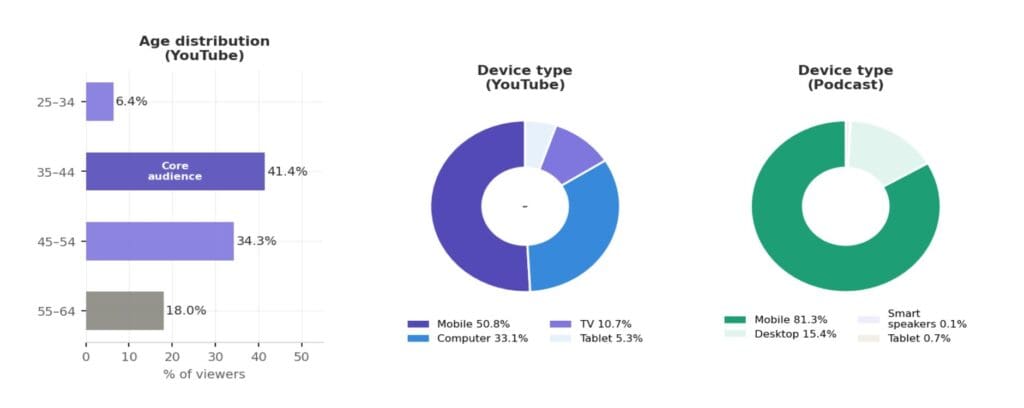
This is where AI tools can be a boon. You can throw a bunch of spreadsheets at Chat GPT, Copilot or Claude and it can process the data and reflect back some clear observations about how your content is performing.
In our case, we found an unexpected audience of viewers, leaning back and consuming our documentary content on their Smart TV.
By taking a holistic approach and comparing your audio podcast episode data with YouTube and your other platforms, you can gain insights into the minute detail of optimising titles, thumbnails, tagging etc. It doesn’t guarantee there are large audiences, but it will definitely give you insights into the content and presentation of what you’ve put so much effort into creating.
Start with Great Audio
All the promotion in the world works better when the product itself is excellent. Listeners who find your show through any of these channels will only stay (and recommend it to others) if the audio quality and production are up to scratch.
If you’re serious about growing your podcast, take a look at our production packages to see how East Coast Studio can help you put your best foot forward from episode one.